In our fast-moving world these days, you really can't underestimate how important Power Inverters are. They’re essential for converting DC to AC power, which basically means they let us use all our electronic gadgets even when we’re not plugged into the mains. A report from Frost & Sullivan even suggests that the global market for power inverters is set to grow pretty quickly in the next few years, thanks to more folks needing them in homes and businesses alike.
People like John Smith, who’s a senior analyst over at Energy Solutions Inc., highlight just how crucial these devices have become. He mentioned, “With mobile tech taking over, having a high-power power inverter for your vehicle isn’t just convenient — it’s pretty much a must-have for a lot of drivers.” Whether you're out camping or dealing with a blackout, these inverters have really become part of our everyday lives.
That said, not all power inverters are the same, and surprisingly, a lot of people don’t really get their benefits. A common mistake is misunderstanding what inverter capacity they need or not knowing the different types out there — which can lead to bad choices when buying. Knowing what to look for and understanding the perks, like saving energy and making life a little easier, can actually help folks pick the right one for their specific needs. Honestly, a good inverter can make a real difference in our daily routines, so it’s worth taking the time to choose wisely.

Key Advantages of Power Inverters for Home Applications
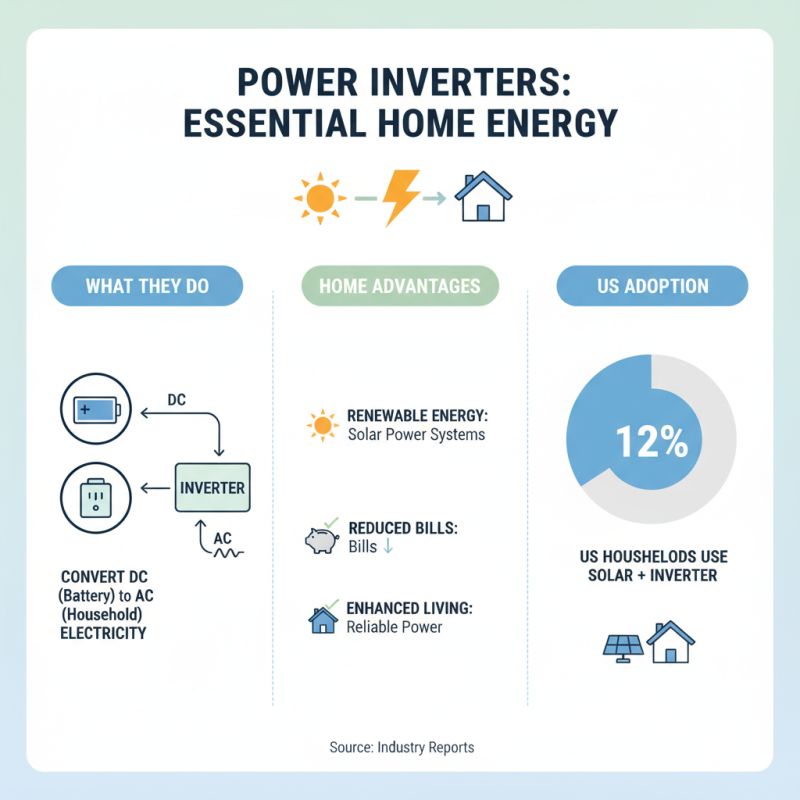
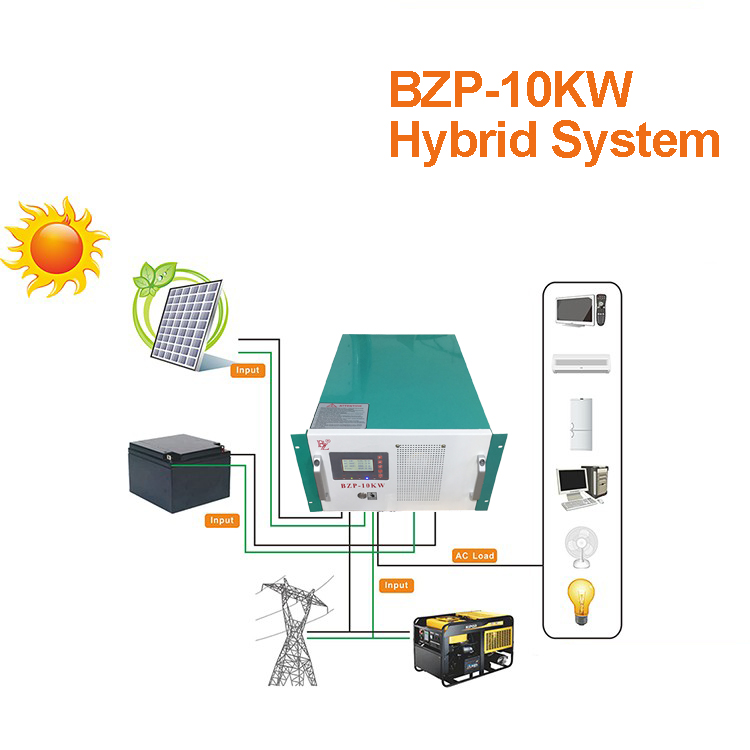
Power inverters are essential for converting DC electricity to AC power, making them valuable for home use. The advantages they offer can greatly enhance daily living. According to industry reports, around 12% of households in the U.S. utilize solar power systems equipped with inverters. This integration allows users to harness renewable energy effectively, reducing electricity bills.
One significant benefit is backup power during outages. Inverter systems can keep essential appliances running. Research shows that 70% of homeowners worry about power interruptions. An inverter can provide peace of mind. Moreover, with many systems, you can monitor energy usage through mobile apps. This feature helps in optimizing your energy consumption.
Tips: Consider investing in a Pure Sine Wave Inverter. It provides cleaner power for sensitive devices. Additionally, check the inverter's efficiency rating. A higher efficiency means less energy wasted in the conversion process. Remember, not all appliances are compatible with every inverter. This mismatch can lead to system failures. Conduct proper research or consult an expert before installation.
Enhancing Energy Efficiency with Power Inverters
Power inverters play a key role in enhancing energy efficiency. They convert DC power to AC power, allowing devices to operate smoothly. In residential setups, these inverters support various electrical appliances. For instance, electronic devices often require stable AC supply. Power inverters can help achieve this seamlessly, using advanced technologies for better efficiency.
The benefits extend to off-grid solutions. Battery-less Off-Grid Energy Storage Inverters provide reliable energy. A recent industry report indicates that using such systems can cut energy costs by30%. These inverters adapt to varying voltage needs, ensuring consistent performance. This adaptability helps in different environments, especially where traditional power sources are limited.
However, reliability varies. Not every inverter meets high efficiency standards. Some models struggle under heavy loads. Users should assess their power needs carefully. A battery-less off-grid power supply can seem appealing, but the right choice matters. Installing the proper inverter ensures a balance between performance and cost.
Convenience of Portable Power Inverters for Travel
Portable Power Inverters have become essential for travelers. They allow you to access electricity anywhere. According to a recent report by Market Research Future, the global portable power inverter market is projected to grow by 8.5% annually. This surge indicates how vital these devices are for outdoor enthusiasts and business travelers alike.
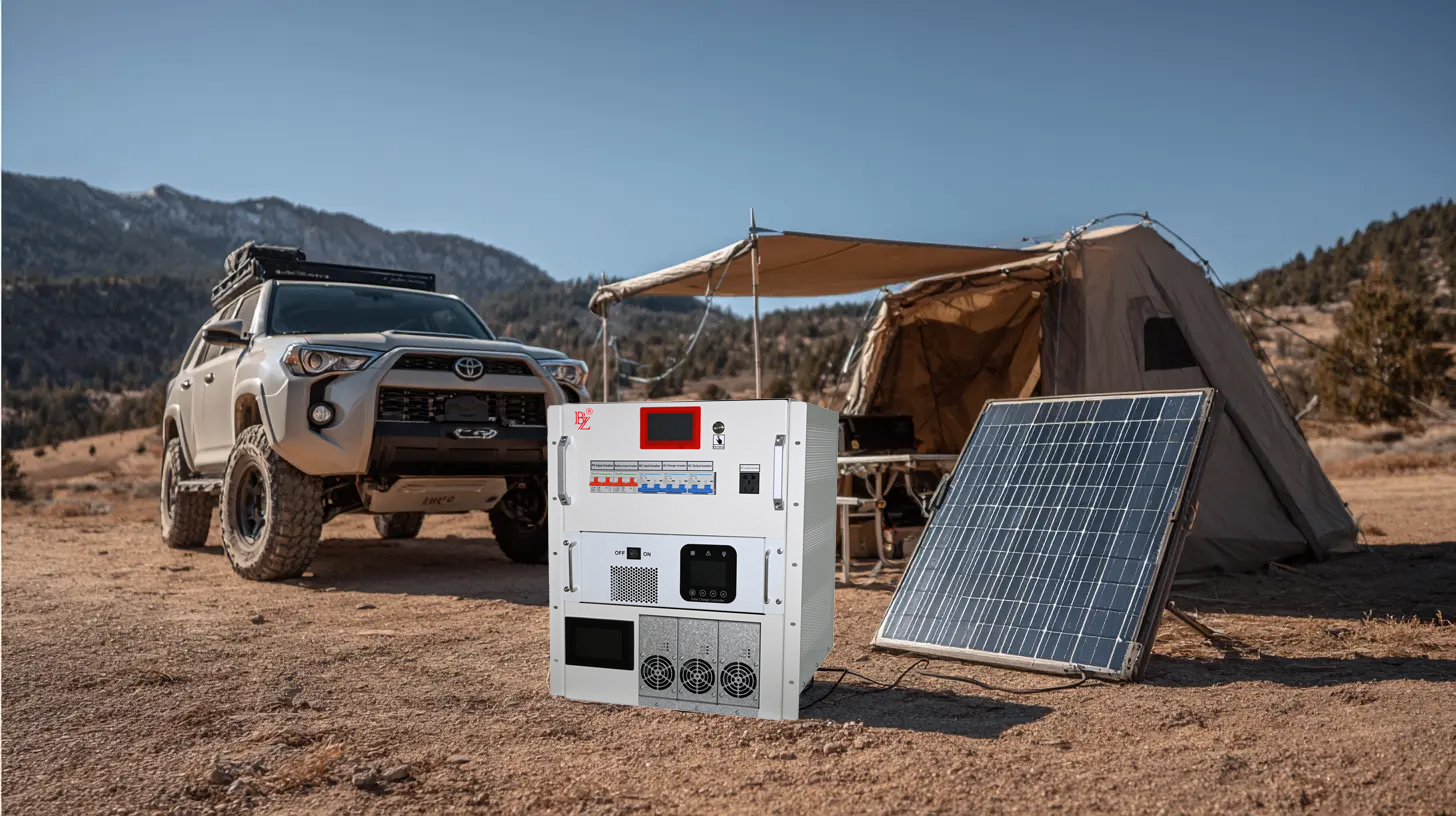
Imagine you are camping in the wilderness. You need to charge your smartphone or laptop. With a power inverter, you can connect to your car's battery and power your devices. This convenience is remarkable, especially for those who rely on technology for navigation or communication. A survey found that 70% of travelers prefer destinations with reliable power sources. However, without a power inverter, even the most adventurous trips could fall flat.
Not everything is perfect, though. Some users report that inverters can be bulky. Carrying extra weight on your journey can be exhausting. Furthermore, not all power inverters are compatible with every device. Research shows that improper usage can lead to reduced efficiency. So, while they are incredibly beneficial, caution and awareness are key.
Environmental Benefits of Using Power Inverters
Using power inverters offers notable environmental benefits. They convert DC power from batteries to AC power for household or commercial use. This process allows for the effective use of renewable energy sources, like solar power. By utilizing solar panels, users reduce reliance on fossil fuels. This shift helps decrease carbon emissions.
Power inverters can also minimize energy waste. Many inverters use advanced technology to enhance efficiency. These advancements mean that less energy goes unused. Lower energy consumption as a result contributes to a decrease in environmental pollution. However, the environmental impact of inverter manufacturing should be considered. Producing these devices consumes resources and energy, raising questions about sustainability.
It’s essential to evaluate the end-of-life disposal of power inverters. Improper disposal can lead to harmful waste. Recycling and responsible disposal practices are crucial. While power inverters can significantly benefit the environment, the entire lifecycle of these products needs careful examination. Balancing usage with sustainable practices will maximize their positive impact.
Cost Savings Through Efficient Energy Conversion
When considering energy efficiency, a Solar Power Inverter plays a key role in cost savings. These devices convert direct current (DC) from solar panels into alternating current (AC) for household use. This conversion is not always perfect, leading to potential losses. However, well-chosen inverters can minimize these losses significantly.
Many homeowners witness lower electricity bills after installing a Solar Power Inverter. This technology canboost energy usage from renewable sources while reducing reliance on the grid. Imagine running appliances like refrigerators or washing machines during peak hours without incurring extra electricity costs. It may seem daunting at first, but tracking usage and savings can provide a clearer picture of benefits.
Yet, some inverter choices can lead to inefficiencies. Sometimes, choosing the right size is tricky. An oversized inverter might not perform optimally. On the flip side, a too-small device won’t harness all the energy produced. The balance is crucial. Overall, understanding your energy needs is vital for maximizing savings. As with any technology, a bit of trial and reflection is required to optimize your investment.
Versatility of Power Inverters for Various Devices
Power inverters are essential devices for many applications. Their versatility stands out. They can power various electronics, from laptops to refrigerators. A report by Transparency Market Research indicates that the global power inverter market is expected to reach over $15 billion by 2026. This growth reflects the increasing need for portable power solutions.
Inverter technology allows users to operate multiple devices simultaneously. This is particularly useful during outdoor trips or in emergency situations. For instance, a standard 400-watt inverter can power small appliances like TVs and gaming consoles. However, not all inverters handle load effectively. Overloading may cause overheating or damage, which is often overlooked.
The adaptability of power inverters is impressive. They function with different power needs and configurations. Some models are designed specifically for certain tasks, while others are more universal. Industry studies show that inverter efficiency can vary widely, sometimes influenced by the device being powered. This inconsistency could affect performance. Users must understand their individual power needs and the inverter's capacity.
Reliability and Backup Power Solutions with Inverters
In today's world, having reliable power sources is crucial. Inverters can provide backup power solutions during outages. The Pv Power Inverter Charger plays an important role in this process. They are designed to convert DC power from solar panels into usable AC power. This efficiency is vital during emergencies when traditional power sources may fail.
When selecting an inverter, durability is key. Some inverters might not withstand extreme weather conditions. This can lead to unexpected failures when you need power the most. Regular maintenance checks can prevent many of these issues. Keeping track of usage and performance can also highlight any underlying problems.
Backup power from inverters enables you to keep essential appliances running. This can be life-saving, especially for medical equipment. However, not all inverters are equal in performance. Sometimes, users overlook their energy needs, leading to inadequate power supply. Ultimately, the reliability of inverters hinges on proper understanding and usage.
Top 10 Power Inverter Benefits You Should Know
| Benefit | Description |
| Reliability | Power inverters provide stable and reliable power supply, essential for critical applications. |
| Backup Power | They can serve as backup power sources during outages, ensuring appliances keep running. |
| Portable Solution | Many inverters are portable, allowing for use in various locations such as camping or during road trips. |
| Energy Efficiency | Inverters convert DC power to AC power with high efficiency, minimizing energy loss. |
| Versatile Applications | They can be used for various applications, including home appliances, power tools, and electronics. |
| Cost-Effective | Investing in a power inverter can reduce energy costs over time by utilizing renewable sources. |
| Environmentally Friendly | They support the use of renewable energy, helping to reduce the carbon footprint. |
| Safety Features | Many models come with built-in protections against overload and short circuits. |
| Easy Installation | Most power inverters are designed for straightforward installation and user-friendly operation. |
| Scalability | Inverters can be scaled to fit various energy needs, from small to larger power requirements. |
Ensuring Longevity and Safety: The Role of Anti-static Isolation Inverters with IP54 Waterproofing in Industrial Applications
In industrial environments where safety is paramount, the integration of Anti-Static Isolation Inverters with IP54 waterproofing capabilities proves to be invaluable. Designed specifically for hazardous locations and areas with explosive atmospheres, these inverters offer a robust solution to mitigate the risks associated with static electricity and potential sparks. Their advanced construction ensures that even the smallest increase in static charge does not culminate in a catastrophic event, safeguarding both personnel and equipment in critical operational settings.
The IP54 rating provides essential protection against dust and water, allowing these inverters to function reliably in challenging conditions. This aspect is particularly crucial in industries that operate in wet or dusty environments, where equipment may be exposed to corrosive elements. By combining anti-static properties with waterproofing, these inverters enhance not only the longevity of the electrical systems but also contribute to the overall safety strategy of industrial operations. The implementation of such technology underscores a proactive approach to risk management, promoting a safe and consistent production process.
FAQS
: Popular materials include wood, metal, fabric, and plastic. Each offers unique benefits for crafting.
Yes, anyone can start! Skills can improve with practice. Don't hesitate to try new things.
Look for simple projects, like making a decorative item. Start small and gradually increase complexity.
Essential tools include a hammer, scissors, and a measuring tape. More advanced projects may need additional tools.
Always use protective gear. Read instructions carefully and keep sharp tools away from children.
Mistakes happen! They can lead to learning. Reflect on what went wrong and try to fix it creatively.
Time varies based on complexity. Simple projects may take an hour. Larger ones can span days or weeks.
Not necessarily. Instructions are guides. Feel free to make modifications that better suit your style.
Inspiration can come from anywhere—nature, art, or social media. Keep an open mind and explore new ideas.
Costs can add up, especially for materials. Budgeting awaits you at each step. Look for cost-effective alternatives.
Conclusion
Power inverters play a crucial role in enhancing the efficiency and convenience of energy usage in various applications. They offer significant advantages for home use, including improved energy efficiency, which helps reduce electricity bills. By converting DC power from batteries or solar panels into AC power for household appliances, power inverters enable users to harness renewable energy sources effectively. Additionally, their portable versions provide convenient energy access during travel, making them ideal for camping or on-the-go charging.
Beyond practical benefits, power inverters contribute to environmental sustainability by promoting cleaner energy use and reducing dependence on traditional power sources. Their versatility allows them to support a wide range of devices, while also offering reliable backup power solutions during outages. Ultimately, power inverters not only lead to cost savings through efficient energy conversion but also empower consumers to make environmentally responsible choices in their energy consumption.