Leave Your Message
0%

You know, a Shore Power Converter is pretty much essential if we’re serious about cutting down emissions at ports. According to the International Maritime Organization, using shore power can slash emissions by up to half when ships are docked—impressive, right? As the maritime world gears up for more sustainability efforts, these converters really stand out as a game-changer.

I recently came across Dr. Emily Thompson from Marine Power Solutions, who's an expert in marine tech. She pointed out that, “Shore Power Converters are a key to making ports cleaner and helping ships operate more cheaply.” That really puts things into perspective, showing how these converters could actually improve air quality in our cities.

Of course, it’s not all smooth sailing. Not every port currently has the infrastructure to support this switch to shore power. Plus, setting up these systems isn’t exactly cheap. As more folks start to see the benefits, we’ll need to come up with better, more cost-effective solutions. Overcoming these hurdles is pretty much essential if we really want to see wider adoption happen.
What is a Shore Power Converter and How Does it Work?

What is a Shore Power Converter?

What is a Shore Power Converter and How Does it Work?

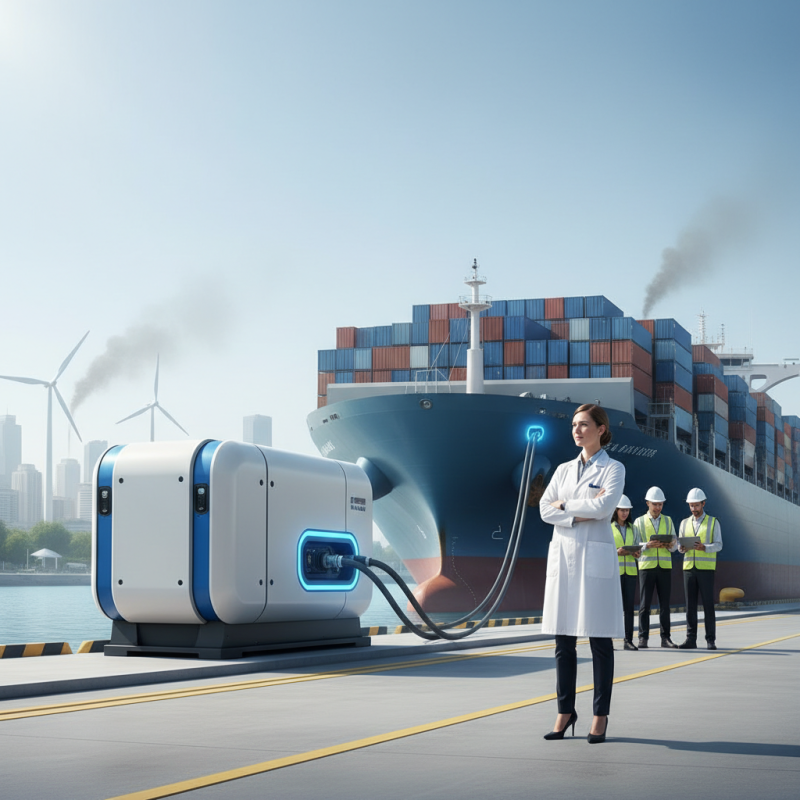
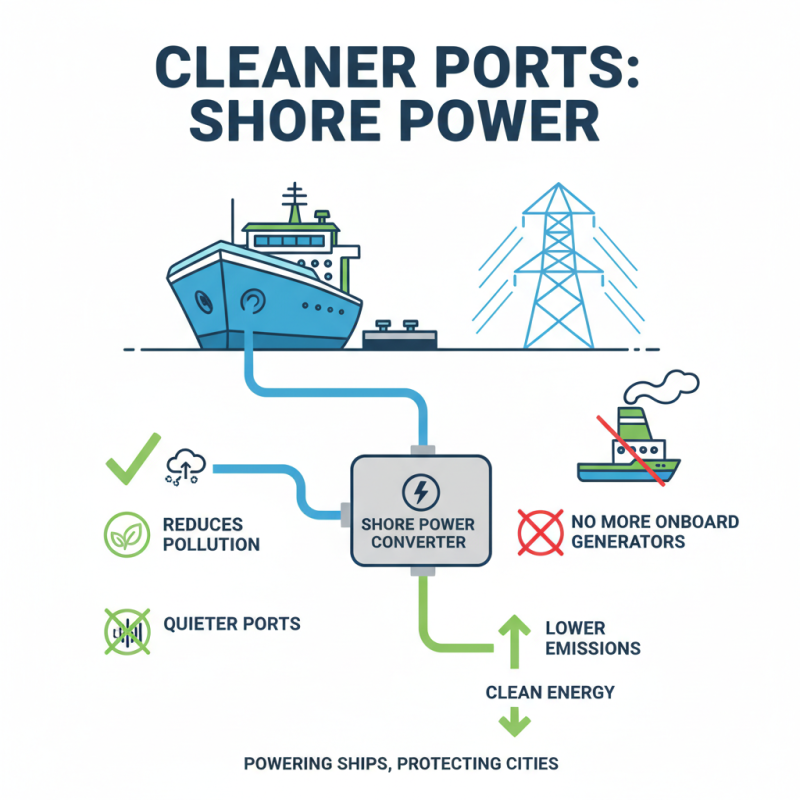
A shore power converter plays a critical role in marine environments. It allows ships to connect to an onshore electrical grid while docked. This technology promotes cleaner energy and reduces air pollution in port cities. When a vessel ties up at the dock, the converter supplies power from the shore, eliminating the need for onboard generators. This change can significantly lower emissions.

The design of a shore power converter is fascinating. It typically includes transformers and rectifiers to ensure compatibility between the ship's electrical systems and the shore power supply. If the converter malfunctions, the consequences can be severe. Ships may face power shortages or safety hazards. In some cases, the connection might require advanced training for crews, as improper handling can lead to issues.

Maintenance of these systems is crucial but often overlooked. Regular inspections are necessary to avoid potential failures that disrupt operations. Ships have various power requirements, and converters must adapt accordingly. Miscommunication about these needs can lead to inefficient power usage. Continuous improvement in technology and processes is essential to enhance shore power efficiency and reliability.

The Importance of Shore Power in Maritime Industries

What is a Shore Power Converter and How Does it Work?

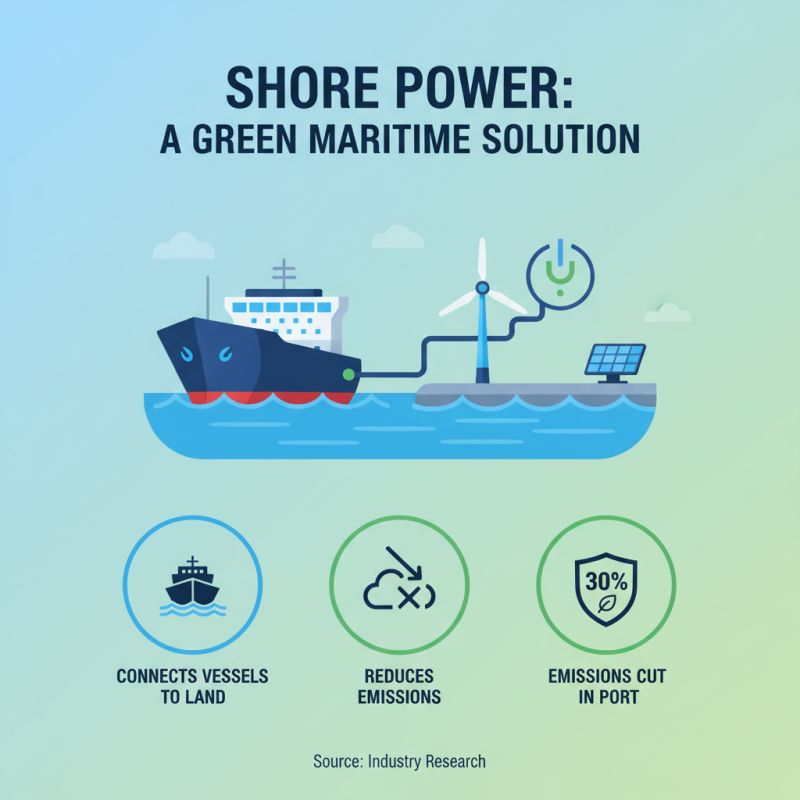
Shore power is crucial for maritime industries. It allows vessels to connect to land-based electrical power sources. This practice significantly reduces greenhouse gas emissions. Research indicates that using shore power can cut emissions by up to 30% in port areas.

Many ports worldwide are adopting shore power systems. According to a report by the International Maritime Organization (IMO), around 30% of ships at berth use shore power. This shows a growing trend towards sustainability. However, challenges remain in infrastructure development. Not all ports are equipped for this technology. The initial investment can also be a barrier for some operators.

Adopting shore power is not flawless. Maintenance can be demanding. The complexity of electrical systems may lead to downtime. Each port must assess its own capabilities. Striking a balance between cost and environmental benefits is essential. Continued collaboration among stakeholders is needed. The maritime industry must push for innovation to improve overall efficiency.

How Shore Power Converters Function: A Technical Overview

Shore power converters are essential for vessels when docked. These devices convert AC power from the grid into the specific voltage and frequency required by ships. This transition allows ships to shut down their onboard generators. Reports show that vessels can reduce fuel consumption by 30% when using shore power. This is a notable shift toward sustainability in maritime operations.

These converters are equipped with advanced technology. Components include transformers, rectifiers, and inverters. Each element plays a crucial role in adjusting power levels. The power quality management ensures that the energy supplied is stable and reliable. This is vital for onboard systems, including navigation and safety equipment. However, some ports still lack adequate shore power infrastructure, creating challenges for wider adoption.

**Tip:** Consider investing in energy-efficient shore power systems. They might have higher upfront costs but can save significantly in the long run. Another point to think about is proper maintenance. Regular checks on electrical connections can prevent potential downtime. Every detail counts when turning to greener practices.

Shore Power Converter Performance: A Technical Overview

Components of a Shore Power Converter System

A shore power converter system is essential for various marine applications. It allows ships to connect to the electricity grid while docked. This reduces emissions and saves on fuel costs. The setup primarily consists of several components: transformers, inverters, switchgear, and connection interfaces.

Transformers play a critical role, adjusting voltage levels for compatibility. This step ensures that the power delivered aligns with the ship's requirements. According to a report by the International Maritime Organization, around 20% of port energy use comes from ships at berth. Inverters are also crucial, converting AC to DC, or vice versa, depending on the ship's systems. These devices are vital to maintain power efficiency.

Switchgear is another important element. It protects the electrical components and manages the distribution of power. An estimated 5-15% of energy can be wasted during conversion processes. Proper maintenance of these systems is essential to minimize energy loss. Lastly, connection interfaces ensure a seamless link between the ship and shore grid. Overall, understanding these components is vital for improving marine energy efficiency.

Benefits of Utilizing Shore Power Converters

Shore power converters have become essential in many port operations. They enable ships to connect to the electrical grid while docked, reducing greenhouse gas emissions significantly. A recent report by the International Maritime Organization indicates that using shore power can lower emissions by up to 80% during port stay. This statistic illustrates a critical step toward sustainable maritime practices.


However, it’s not just about environmental impact. Shore power converters also result in substantial cost savings for shipping companies. A study from the Global Environmental Facility highlights that vessels utilizing these systems can save thousands annually on fuel costs. Yet, there are challenges to implementing these systems. Some ports lack the necessary infrastructure, and upgrades can be costly. This gap needs addressing if we want widespread adoption.


Moreover, while the benefits are clear, limitations remain. Not all ships are equipped to use shore power effectively. Some older models need significant retrofitting. This situation raises questions about equitable access to technology. Ensuring that both new and existing fleets can benefit is crucial for a balanced approach to sustainability in shipping. The path forward must contemplate these complexities.

Safety Considerations and Regulations for Shore Power Systems

Shore power systems allow vessels to connect to land-based electrical power while in port. This technology reduces emissions and noise pollution. However, safety considerations must be prioritized for effective operation. According to the International Maritime Organization (IMO), safety incidents related to shore power systems have increased in recent years. Rigorous safety standards are essential.

Proper grounding and electrical isolation must be ensured to protect against electrocution. The Occupational Safety and Health Administration (OSHA) has reported that improper connections can lead to severe injuries. Furthermore, regulatory bodies require regular inspections and maintenance of shore power installations. Compliance with standards like IEC 61924-1 is crucial for operational safety.

Human factors also pose significant risks. Crew training and awareness are vital. Inadequate training can result in mishandling equipment. A study by the European Maritime Safety Agency noted that 30% of shore power incidents were due to operator error. Continuous education on safety protocols is essential. These factors highlight the ongoing need for improvement in safety measures within shore power systems.

Future Trends in Shore Power Technology and Sustainability

Shore power technology is evolving rapidly. The demand for sustainable solutions drives many advancements. According to a report by the International Maritime Organization, around 15% of marine emissions come from ships while docked. This highlights a need for cleaner alternatives.

Shore power converters allow vessels to connect to the grid while in port. This connection eliminates the reliance on diesel generators. Yet, the transition isn't seamless. Issues such as installation costs and grid reliability emerge as barriers. Various studies indicate that, although initial investments can be high, the long-term savings on fuel and maintenance are significant.

Looking to the future, the focus on renewable energy sources is gaining traction. Solar panels and wind-generated power are becoming more common at ports. Reports suggest that, by 2030, shore power systems could reduce greenhouse gas emissions by 30% in key ports worldwide. However, regions with less infrastructure may struggle. Transitioning requires policy support and investment. Doing so ensures the maritime industry moves towards a more sustainable future.

FAQS

: What is the main purpose of the product?

: The product aims to enhance daily tasks and improve efficiency. It simplifies commonly performed activities through easy-to-use features.

How do I maintain the product?

Regular cleaning is essential. Wipe surfaces with a damp cloth. Avoid harsh chemicals to preserve its integrity.

What if I encounter a problem during use?

Check the user manual for troubleshooting tips. If issues persist, contact customer support for guidance.

Can I use the product in various environments?

Yes, the product is designed to function well in different settings. However, extreme conditions may affect performance.

Is there a warranty for the product?

A limited warranty covers manufacturing defects. Review the warranty terms for specific limitations and timeframes.

How does the product compare to similar options?

While there are alternatives, this product offers unique features. It's vital to evaluate which one best suits your needs.

Are there any limitations I should know about?

Yes, the product may have restrictions on usage. Ensure you read provided guidelines to avoid issues during operation.

What materials is the product made from?

High-quality materials ensure durability. However, wear and tear can occur over time, necessitating careful handling.

How do I properly dispose of the product?

Follow local regulations for disposal. Consider recycling components if possible to reduce environmental impact.

Can I find replacement parts if needed?

Replacement parts are available through authorized distributors. Always verify compatibility with your model to avoid mistakes.

Conclusion

A Shore Power Converter is a crucial technology that enables ships to connect to the electrical grid when docked, allowing them to minimize the use of onboard generators. This practice, known as shore power, is increasingly important in maritime industries as it helps reduce emissions and noise pollution in port areas. The article discusses the technical workings of shore power converters, detailing their essential components and the benefits they provide, such as enhanced energy efficiency and compliance with environmental regulations.

In addition to their operational advantages, safety considerations and existing regulations pertaining to shore power systems are also highlighted. The article concludes by exploring future trends in shore power technology, emphasizing the ongoing shift towards sustainability in maritime operations. Overall, Shore Power Converters play a vital role in modernizing the maritime industry and promoting environmentally friendly practices.
Charlotte

Charlotte

Charlotte is a dedicated and knowledgeable marketing professional with over a decade of experience in the energy storage industry. Specializing in lithium battery storage systems and various power solutions, including bi-directional energy storage power supplies, Pure Sine Wave Inverters, marine......
Previous Maximizing Value: Understanding After-Sales Support and Maintenance Costs for the Best Solar Charger Inverter