Leave Your Message
- Phone
- E-mail
- Whatsapp
- Whatsapp

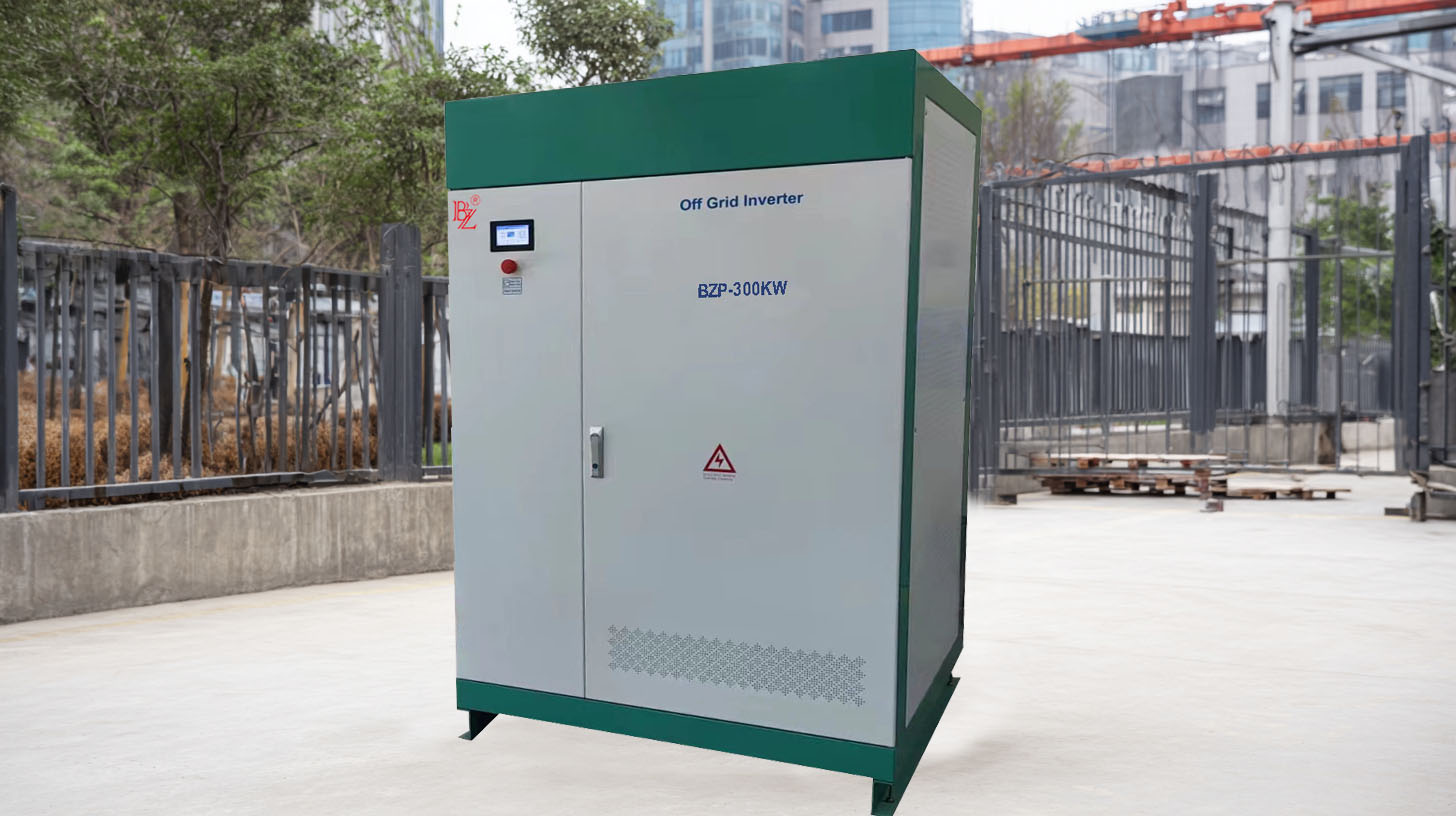
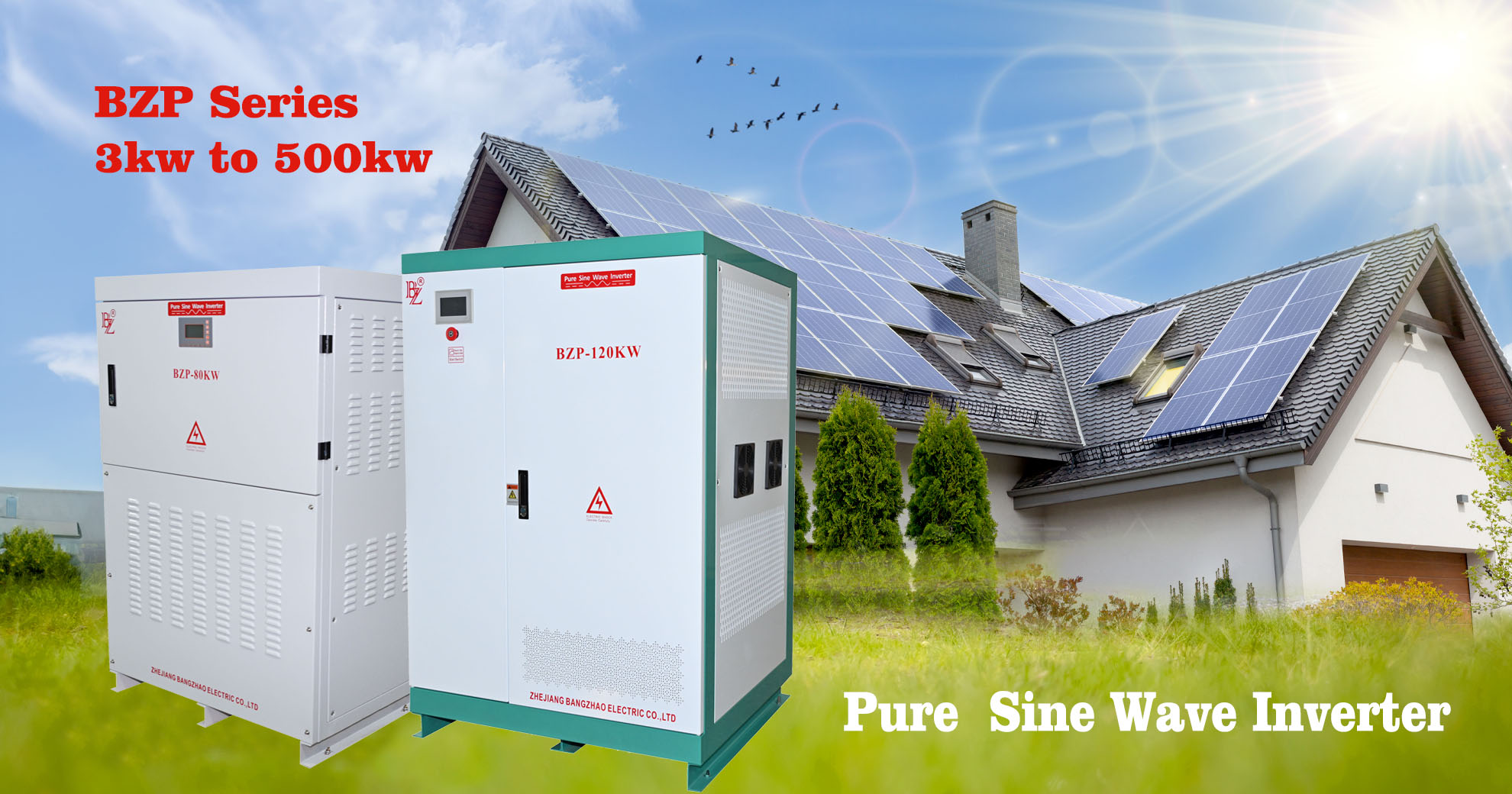
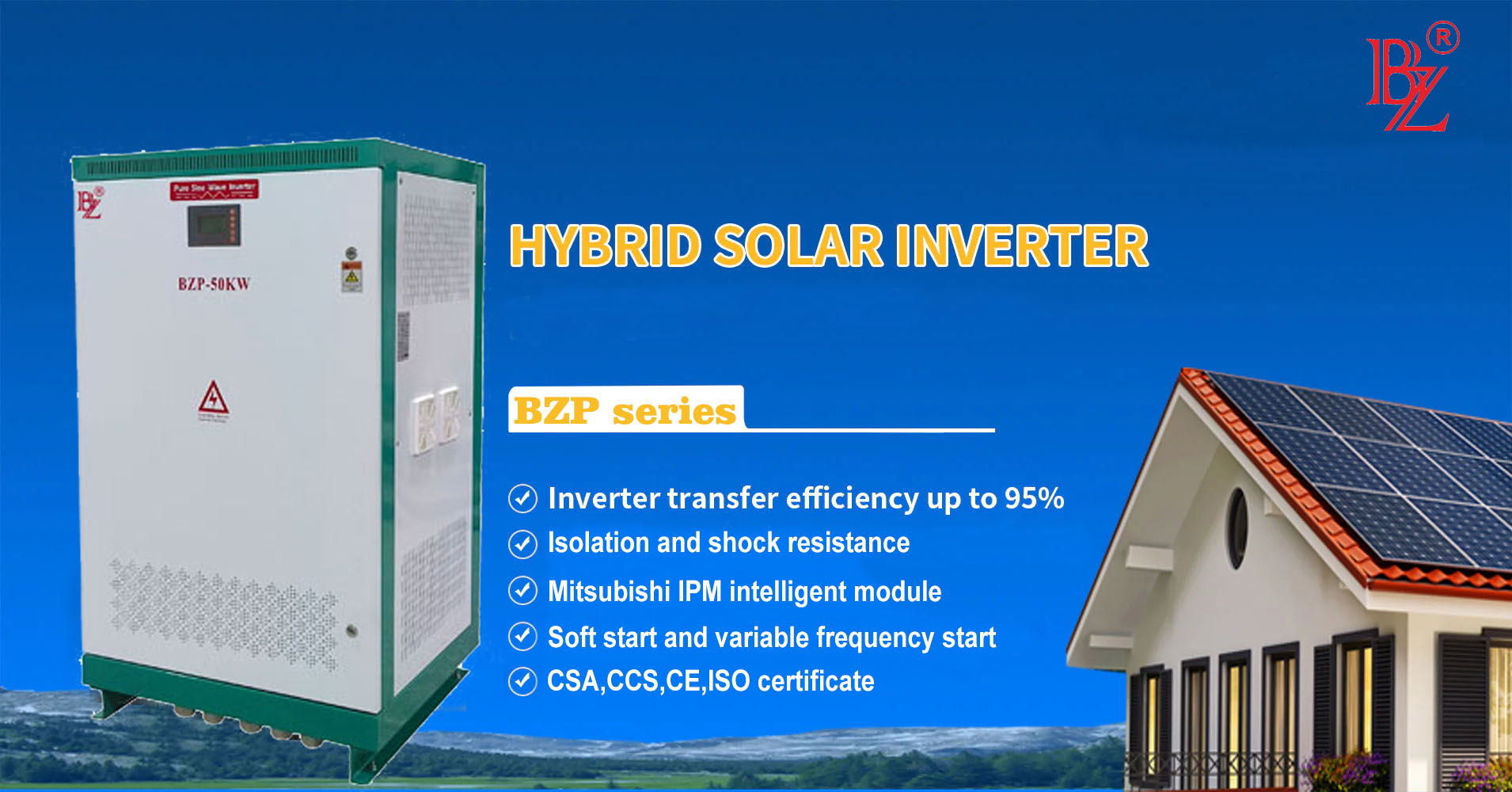 In today’s rapidly changing energy world, it’s pretty important for both folks and industry pros to get a good grasp of the different ways Low Frequency Inverters can be used—and how they can actually benefit you. Over the past decade, Bangzhao Electric Co., Ltd. has really made a name for itself by coming up with innovative solutions, like lithium battery storage and a variety of inverters, including pure sine wave and marine types. This blog is basically your go-to guide for understanding how Low Frequency Inverters work across different sectors — showing you how they can boost energy efficiency and keep things running smoothly. With the right info and knowing how to properly use these inverters, businesses and individuals alike can save a lot on energy costs and get better overall system performance. Whether you’re thinking about upgrading your current power setup or just exploring new energy options, getting a handle on how Low Frequency Inverters work is key to making smarter choices.
Low frequency inverters are pretty essential gadgets that turn direct current (DC) into alternating current (AC) — usually at frequencies below 200 Hz. If you’re new to them, it helps to understand just how important they are across different fields like industrial machinery, water pumps, and renewable energy setups. One of their biggest perks? They can handle big power loads while still keeping the output nice and steady, which is perfect for heavy-duty jobs.
What’s really cool about low frequency inverters is how efficiently they manage voltage and current. This means your connected equipment performs better and is more reliable—something that really matters in tough environments. Plus, they support various motor types and often come packed with smart features like speed control, overload protection, and customizable settings.
All this not only boosts operational efficiency but also helps save energy, which can cut down costs in the long run. So, taking a closer look at how low frequency inverters work really helps you understand their many uses and all the benefits they bring to modern electric systems.
: Low frequency inverters are devices that convert direct current (DC) to alternating current (AC) at frequencies typically below 200 Hz, essential for various applications.
They are widely used in industrial machinery, water pumping, renewable energy systems, and telecommunications, among other fields.
They provide a stable power output, which is crucial for operating equipment such as motors and pumps reliably, enhancing productivity and reducing the risk of damage.
Their advanced features, like speed control and overload protection, improve operational efficiency, which leads to lower energy consumption and reduced operational costs.
They help integrate solar and wind power into the grid by managing the variability of these energy sources, ensuring stable and reliable electricity production.
Yes, many low frequency inverters come with customizable settings to tailor their performance according to the requirements of different applications.
They can handle higher power loads while ensuring a stable output, making them ideal for demanding applications where reliability is critical.
They provide back-up power to maintain operations during outages, ensuring the continuity of critical communications infrastructure.
Low frequency inverters are compatible with various motor types, enhancing their versatility in different applications.
Efficient management of voltage and current leads to improved performance of connected equipment, which is vital in environments where durability and reliability are essential.
In today’s world where everyone’s pretty conscious about energy use, getting a handle on Low Frequency Inverters is more important than ever if you want your systems to run smoothly. These inverters are not just some techy gadgets—they play a crucial role in a bunch of applications, from renewable energy setups to marine and vehicle systems. Plus, they really help improve energy efficiency overall. By understanding their main uses, companies can take advantage of what Low Frequency Inverters have to offer—boosting operational performance while tackling common issues with smart solutions.
Here at Bangzhao Electric Co., Ltd., we’re all about providing complete energy solutions—things like advanced Low Frequency Inverters—to match our clients’ different needs. With over ten years of hands-on experience working with lithium battery storage and various inverter types, we’re pretty confident about helping customers stay ahead of the curve when it comes to Low Frequency Inverter trends. Our goal is to make sure they're ready to make smart, informed choices when it comes to managing their energy systems.