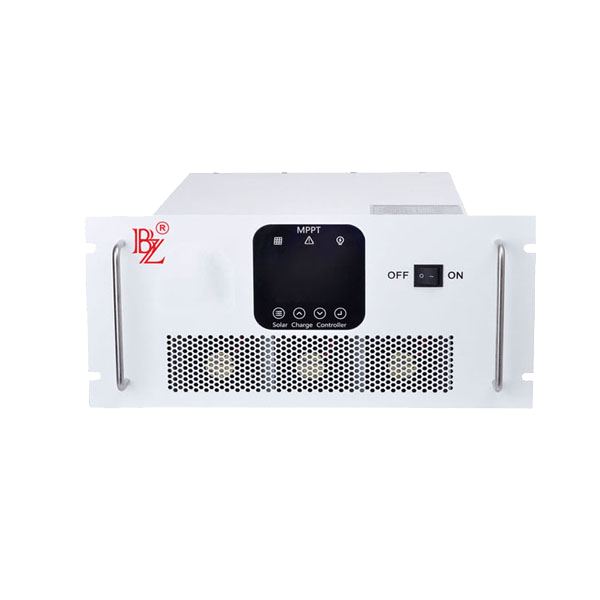
Lately, there's been a noticeable surge in the demand for renewable energy solutions, and this trend is absolutely clear when you look at the solar industry. According to a report from the International Renewable Energy Agency (IRENA), the world's solar capacity is expected to hit around 2,841 gigawatts by 2026—that’s a huge jump! A big part of making solar systems work efficiently really depends on tech like the Mppt Solar Controller. Honestly, this little device has made a big difference.
Dr. Emily Thompson, who's actually one of the top experts in solar tech, said something pretty interesting: “The Mppt Solar Controller has totally changed the way we harness solar energy.” Basically, it helps get the most power out of your solar panels by optimizing energy conversion. But with so many options out there, choosing the right high-quality Mppt Solar Controller from a trustworthy exporter is super important.
That said, it’s not all smooth sailing. The market is evolving fast, and unfortunately, not every exporter out there is up to the standards you'd want. It’s really crucial to do some homework—look into what they can actually deliver. Reliability and performance should always come first because picking the right Mppt Solar Controller can really make a difference—not just for energy savings, but for how well the whole system performs overall.

Overview of MPPT Solar Controllers and Their Importance
MPPT solar controllers are essential in optimizing solar energy use. They maximize the energy harvested from solar panels. According to industry reports, solar energy demand is set to grow by over 20% annually through 2026. This growth highlights the importance of efficient energy management solutions.
A quality Solar Mppt Charge Controller can significantly enhance system performance. These controllers adjust the voltage and current of solar panels to ensure maximum output. This process can lead to a 20-30% increase in energy efficiency. However, not all controllers offer the same level of performance. Inconsistent quality and varying features make it necessary to carefully evaluate options.
Tips: Look for controllers with advanced algorithms. They should adapt to changing conditions. Also, consider temperature coefficients. A good controller should maintain performance under different weather conditions. Efficiency should be prioritized over price. High-quality options can provide long-term savings. The market offers diverse choices, but research is crucial. Ensure that your selection meets your energy needs effectively.
Key Features to Look for in High-Quality MPPT Solar Controllers
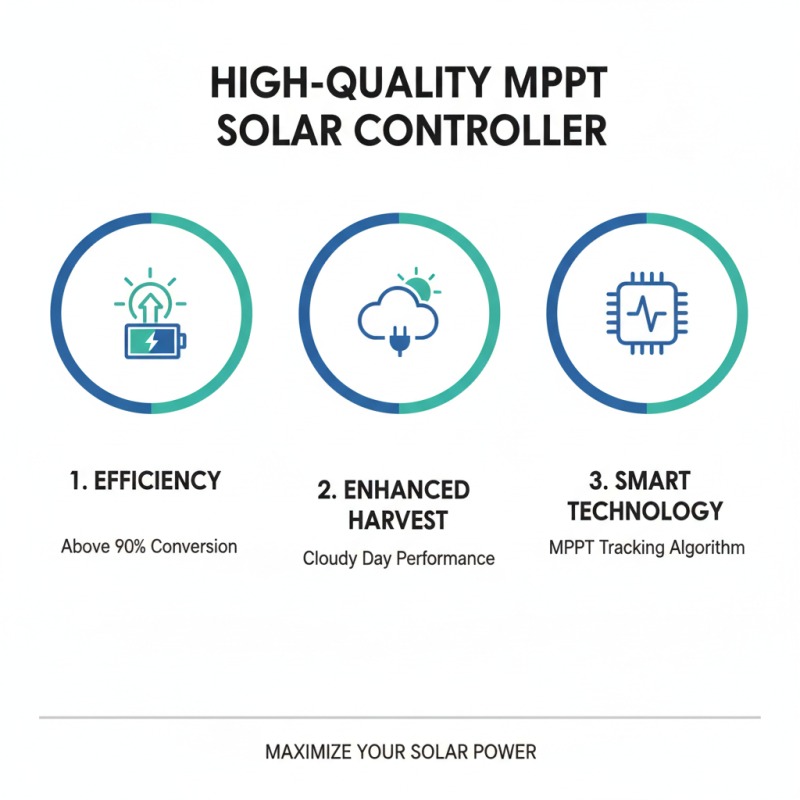
When choosing a high-quality MPPT solar controller, several key features should be considered. Efficiency is paramount. A top-notch MPPT controller should efficiently convert solar energy into usable power. This means better energy harvest, especially during cloudy days. A good controller will have a conversion efficiency rate above 90%.
Another vital aspect is adaptability. High-quality controllers can handle various voltage inputs. They can work with different types of solar panels and batteries. This flexibility ensures compatibility with your unique setup. Look for controllers that also include protective features. Over-voltage, short-circuit, and over-temperature protections are crucial for longevity.
User-friendliness matters too. An intuitive interface allows for easy monitoring and adjustments. Some models even offer smartphone connectivity. However, not all manufacturers create user-friendly designs. Be wary of overly complicated setups that can lead to frustration. In the end, you must weigh performance against usability. Opt for something that offers both great efficiency and ease of use. With Pwm & Mppt Solar Charge Controller options available, make your choice wisely.
Top Exporting Countries for Custom MPPT Solar Controllers in 2026
As the demand for renewable energy grows, custom MPPT solar controllers become increasingly essential. In 2026, certain countries stand out as leading exporters in this sector. The industry is evolving rapidly, making it vital for businesses to identify reliable sources. China remains a prominent player due to its robust manufacturing capabilities. It produces a wide array of solar controllers tailored to various specifications. However, quality control can sometimes be an issue, leading to variability in performance.
Germany is another key exporter, known for its advanced technology and innovation in solar solutions. Their custom MPPT solar controllers often emphasize durability and efficiency. While the stability of their products is commendable, some may find the costs higher than alternatives. The focus on sustainability and energy efficiency continues to push Germany to the forefront.
Countries like India and the USA are also making strides. India's competitive pricing appeals to a broad market. However, production quality can sometimes lag behind expectations. The USA offers cutting-edge technology but might not always provide the best pricing options. As the market evolves, constant reflection on quality and value is essential for all players involved.
Leading Brands in the MPPT Solar Controller Market
In the growing market of solar technology, MPPT solar controllers shine for their efficiency. Many options claim to offer exceptional performance. However, discerning the best requires thoughtful consideration. Users often overlook small details that could influence overall effectiveness. A good solar controller should maximize energy harvest, even under imperfect conditions.
When exploring various brands, one should focus on their efficiency ratings. Some controllers may boast a “99% High Efficiency Mppt Solar Controller” but deliver varying results in real-world use. It's crucial to evaluate customer feedback and real-life performance. Features like temperature compensation and load control can make a difference.
Pricing can also be a red flag. Some high-priced options may not offer the expected quality. On the other hand, budget-friendly models might surprise users with their reliability. It’s essential to weigh performance against cost. Users should reflect on their specific needs. Being well-informed will lead to better choices in the end.
Evaluating Cost vs. Quality in MPPT Solar Controllers
When evaluating MPPT solar controllers, cost and quality often clash. A recent report from the Solar Industry Association highlights that high-quality components typically lead to better efficiency rates—sometimes exceeding 95%. However, these components come at a price. Budget options may reduce initial expenditure but can lead to long-term losses in energy production.
Many consumers focus on upfront costs. The allure of cheaper solar controllers is tempting. Yet, the average lifespan of high-quality controllers is around 10 years, compared to just 3-5 years for cheaper models. Using low-quality materials can result in failures during peak operational periods. Poor efficiency can waste a significant percentage of harvested solar energy.
A common concern is the balance of performance versus reliability. Investing in a higher-quality MPPT solar controller seems wise, especially in regions with variable weather. As the market grows, understanding the intricate relationship between cost and longevity becomes vital. Reflecting on these choices can make a difference in long-term sustainability and energy efficiency.
Regulatory Standards for Exporting MPPT Solar Controllers
When exporting MPPT solar controllers, understanding regulatory standards is essential. Many countries have specific requirements. Compliance ensures a smoother entry into new markets. Exporters must research local guidelines carefully. Missing a regulation can lead to significant delays.
Quality certifications play a vital role in compliance. For example, CE marking is mandatory in Europe. In the US, certifications like UL can boost credibility. Not all markets have the same requirements, which can create confusion. Exporters should double-check which certifications apply to their products.
Navigating these regulations can be challenging. Some exporters may overlook critical details. This oversight can result in fines or product returns. To mitigate risks, businesses should invest in compliance training. Understanding regulations can save time and resources in the long run.
Future Trends and Innovations in MPPT Solar Technology
The future of solar MPPT controllers appears promising. Innovations are evolving rapidly, driven by the need for efficiency and sustainability. Reports suggest that the market for solar MPPT controllers is expected to grow by over 10% annually. This growth points to the increasing demand for high-quality, custom solutions tailored to various applications.
One key trend is the integration of smart technology. Advanced algorithms optimize power generation by adjusting the operating point. These features help maximize energy capture, especially in varying sunlight conditions. Data indicates that solar MPPT controllers equipped with these technologies can improve efficiency by up to 20%. However, while these advances are significant, there remains room for improvement. Many existing models still struggle with compatibility issues and require further refinement.
Another exciting development is in energy storage solutions. As solar energy becomes more integral to power systems, efficient storage is crucial. The combination of MPPT technology with battery management systems can enhance the overall efficiency of solar setups. However, the challenge lies in balancing complexity and usability. The industry must ensure that these systems remain accessible to consumers. As we advance toward 2026, the dialogue on solar MPPT controllers must focus on these innovations while addressing the areas that still need work.
2026 MPPT Solar Controller Efficiency Trends
This chart illustrates the projected efficiency trends of MPPT solar controllers from 2022 to 2026. It showcases a steady increase in efficiency, reflecting advancements in technology and innovation within the solar energy sector.
Integration of PV Inverter Controller Units: Analyzing Industry Trends and Market Data for Enhanced Solar Energy Efficiency
The integration of photovoltaic (PV) inverter controller units is paving the way for enhanced solar energy efficiency, as it represents a significant shift in how solar power generation systems are designed and operated. These units intelligently combine the functions of a pv inverter and a controller, facilitating the conversion of direct current (DC) generated by solar panels into stable alternating current (AC). By optimizing the charging process and enabling real-time system monitoring, they contribute to a more efficient and manageable solar energy infrastructure, particularly in residential, commercial, and industrial settings.
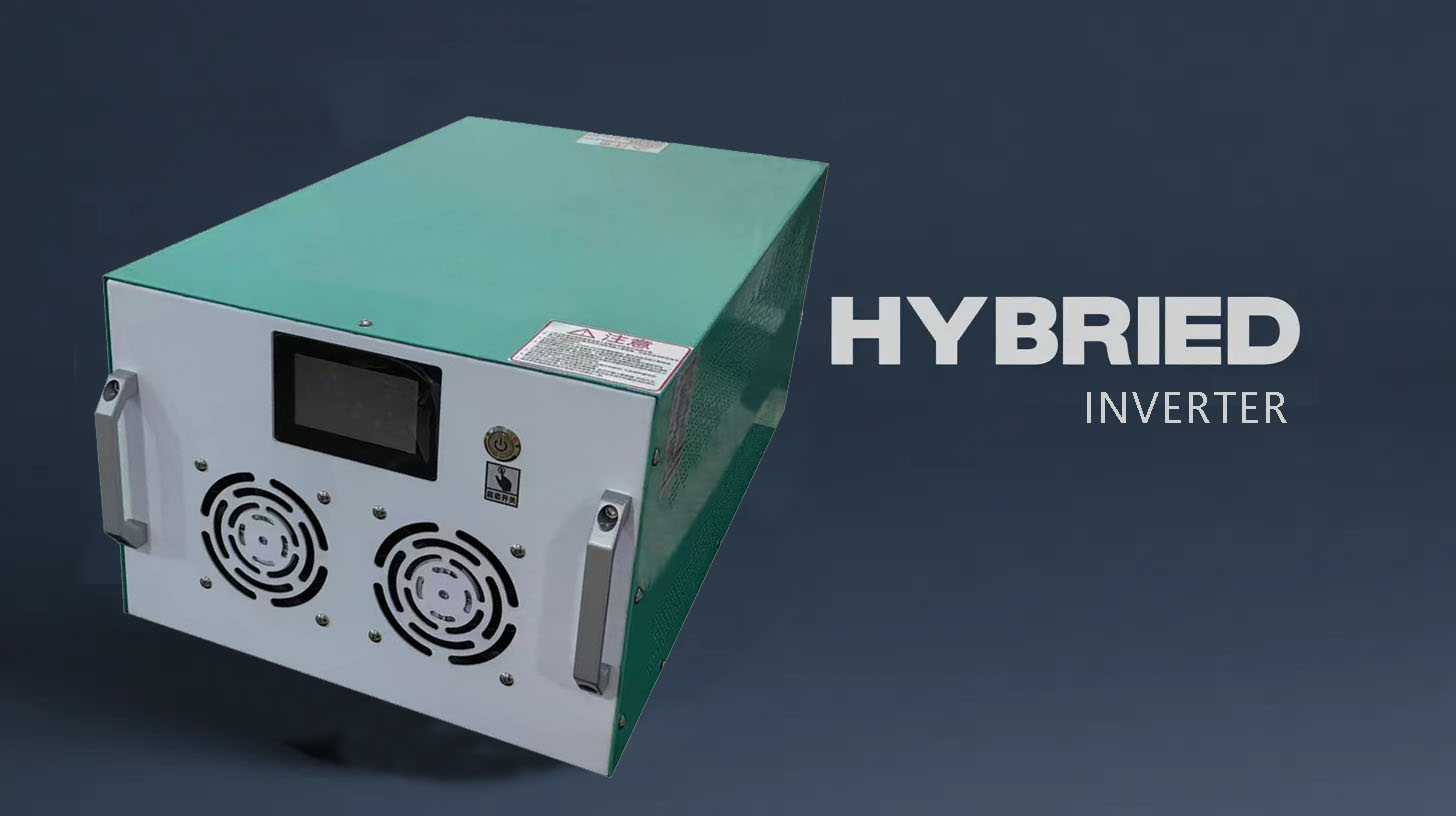
One notable example of this technology is the 15kW PV inverter controller unit. This device not only ensures maximum energy conversion efficiency but also integrates optional energy storage and mains grid backup functions. This versatility makes it an ideal solution for various applications, including remote locations and emergency scenarios where reliable energy access is crucial. As market trends indicate a growing demand for smarter, more efficient solar energy solutions, these innovative units are set to play a pivotal role in revolutionizing the solar energy landscape, ultimately driving greater adoption and utilization of renewable energy sources.
FAQS
: This product aims to enhance daily activities and improve efficiency. It helps users in various tasks.
To use it effectively, follow the guidelines provided. Practice will help you understand its features better.
There might be basic requirements. Ensure you read the instructions carefully to meet those needs.
If issues arise, refer to the troubleshooting section. It's not always straightforward; patience is key.
A limited warranty may be offered. However, understanding the terms can be tricky, so read closely.
Returns are usually allowed under certain conditions. Review the return policy for specific details.
Cleaning instructions generally come with the product. Regular maintenance is crucial; overlooking this could lead to problems.
Losing the manual is frustrating. Many companies provide online resources, so check their website.
Yes, users often overlook critical steps. Staying attentive can prevent these mistakes and improve the experience.
Additional support is often available via customer service. They may not answer immediately, so plan ahead.
Conclusion
The article "2026 Best Custom High-Quality MPPT Solar Controller Exporter Options" provides an insightful overview of MPPT Solar Controllers, highlighting their significance in maximizing solar energy efficiency. It discusses key features to consider when selecting high-quality controllers, such as tracking accuracy and efficiency, which are critical for optimal solar system performance.
Additionally, the article identifies the top exporting countries that are poised to dominate the custom MPPT Solar Controller market in 2026, emphasizing the importance of understanding market dynamics. Evaluating cost versus quality is also crucial, as consumers seek reliable products that offer value for money. Regulatory standards for exporting these controllers and future trends in MPPT solar technology are examined, offering a comprehensive perspective on the evolving landscape of solar energy solutions.